
IEVA 2026 – Registration Now Open
The 2026 Irish Equine Veterinary Association (IEVA) Conference will be hosted by the IEVA from Thursday, November 5 to Saturday, November 7 at the Lyrath Estate, Kilkenny. Key speakers will include Dr. David Freeman, Dr Pete Ramzan and Dr. Patrick Sells, all leading experts in their respective fields. For 2026, a series of industry panel discussions have also been incorporated in the programme. IEVA26 is also set to play host to its largest set of exhibitors to date with participation by leading industry stakeholders. Full programme details to follow.
ICC / RESPE REPORT IRELAND – Q3 2026
The Q3 2026 ICC / RESPE report collated by The Irish Equine Centre, is now available.

ICC / RESPE REPORT IRELAND – Q1 2026
The Q1 2026 ICC / RESPE report collated by The Irish Equine Centre, is now available.

ICC / RESPE REPORT IRELAND – Q4 2025
The Q4 2025 ICC / RESPE report collated by The Irish Equine Centre, is now available.

Handwritten Marking Charts – Change of Procedure for Equine Identification
Please see below details from The Department of Agriculture, Food and the Marine regarding the requirement to provide photographic evidence of microchip numbers for replacement/ duplicate passports:
- In cases where Veterinary Surgeons are asked to complete a marking chart, for an equine which has already been chipped at some point in the past, and a replacement or duplicate passport is requested, which necessitates the manual transcription of the chip number on to the marking chart by the vet:
-
- In these cases a photo of the screen of the microchip scanner, showing the microchip number previously inserted in the equine, should be provided to the operator, along with the handwritten chart as evidence of the correct transcription of the chip number from the reader to the chart.
- It is the responsibility of the Breeder or Client to provide this photographic evidence together with the marking chart:
- Veterinary Surgeons are asked to either send a photograph of the microchip number to the client, or allow them to photograph the transponder number from the screen themselves.
#IEVA CONFERENCE 25
The 6th – 8th November saw a large and inclusive gathering of equine veterinary practitioners from all over the island of Ireland make their way to the Lyrath Estate in the heart of Co Kilkenny for the IEVA Conference 2025.
The much anticipated 3 Day Conference Programme of pre-conference wet labs, workshops, presentations and talks delivered on all expectations, for what is the largest CPD equine veterinary event in the country. The Conference included a number of product and services launches as well as a dedicated series of Nutritional Workshops, kindly sponsored by Connolly’s RED MILLS.
The cleverly curated programme made plenty of time for engagement between veterinary students, recent graduates, established vet and nurses with delegates, exhibitors, speakers and industry stakeholders alike. Much B2B networking took place in the “great” Exhibitor Hall.
During the conference’s social gathering, namely the Gala Dinner on Friday night, the raffle raised €1,750. This figure was matched by IEVA and as a result of which €,3500 was raised for The Irish Veterinary Benevolent Fund and The Irish Veterinary Professionals for Palestine. A big thanks to all who took part in the raffle on the night and to the exhibitors and those individuals who donated to the raffle prize, including The Lyrath Estate, Mount Juilet Estate and Mullane Luxury Hampers. After dinner, the guests took to the dance floor to enjoy Spring Break, Europe’s Premier Super Goodtime Supergroup.
Commenting on IEVA’25, IEVA President Pat O’Sullivan said:
“We on the committee of the Irish Equine Veterinary Association are delighted with another successful edition of our annual conference in the beautiful Lyrath Hotel, Kilkenny from November 6th to 8th 2025. Our conference has gone from strength to strength in recent years with a comprehensive scientific programme provided by Irish and International experts in their respective fields. Delegates were provided with information on the latest in equine veterinary research and techniques. Wetlab sessions provided in depth instruction on equine behavioural techniques and foot and distal limb lameness. This year we were fortunate to have the attendance of farrier colleagues from Ireland and the UK in a fantastic example of inter-professional collaboration.
The IEVA ‘Future Proof’ program provided an opportunity for veterinary students interested in equine veterinary to attend the conference free of charge, hopefully encouraging them on their professional journey to being valued members of our profession We are also extremely grateful to our exhibitors and sponsors, in particular Celtic SMR, sponsors of the highly contested Case Awards, without whom the conference would not be possible.
Finally, the social program afforded us all the opportunity to catch up with friends old and new and to recharge the social batteries for the coming year! Looking forward to conference 2026 already. Save the dates of Thursday 5th – Saturday 7th November 2026”
Press Release 12.11.25
For additional information contact Kerry Ryan Event Management +353 87 1335139.

IEVA Committee 2025

Patrick O’Sullivan & Steven O’Connor

Patrick O’Sullivan & Antonia Milner

Patrick O’Sullivan presents Pheobe O’ Sullivan with Celtic SMR Case Award.

Duggans Veterinary Team

David Kelly of the Irish Master Farriers Association.

Out Going IEVA President Sabrina Barnwell with her husband Conor O’Hara and sons Vincent and Peter.

Professor Roger Smith IEVA 25 Conference Key Speaker with his wife Stephanie Smith.

Conference Speakers Emma Adam & Siobhan McAuliffe

Siobhan Griffin promoting TREO EILE and Horse Racing Ireland.

Department of Agriculture, Food & The Marine Deputy CVO Eoin Ryan addresses the IEVA25 Conference.

Dr. Orla Doherty Addresses the IEVA25 Conference.

Conference Speaker Siobhan Mullan

Future Proof Initiative Students

ICC / RESPE REPORT IRELAND
The Q3 2025 ICC / RESPE report collated by The Irish Equine Centre, is now available.
IEVA Statement On Agricultural, Ecological And Humanitarian Situation In Gaza – 05/08/25
The Committee of the IEVA has issued a statement in relation to the agricultural, ecological and humanitarian situation n Gaza.

ICC / RESPE REPORT IRELAND
The Q2 2025 ICC / RESPE report collated by The Irish Equine Centre, is now available.

National Equine Forum 2025
The 33rd National Equine Forum took place on Thursday 06 March 2025 (#NEF25).
The programme for #NEF25 covered important issues affecting the future of equestrianism, of relevance and interest to all members of the equestrian sector, whether a professional, an amateur or an invested horse lover.
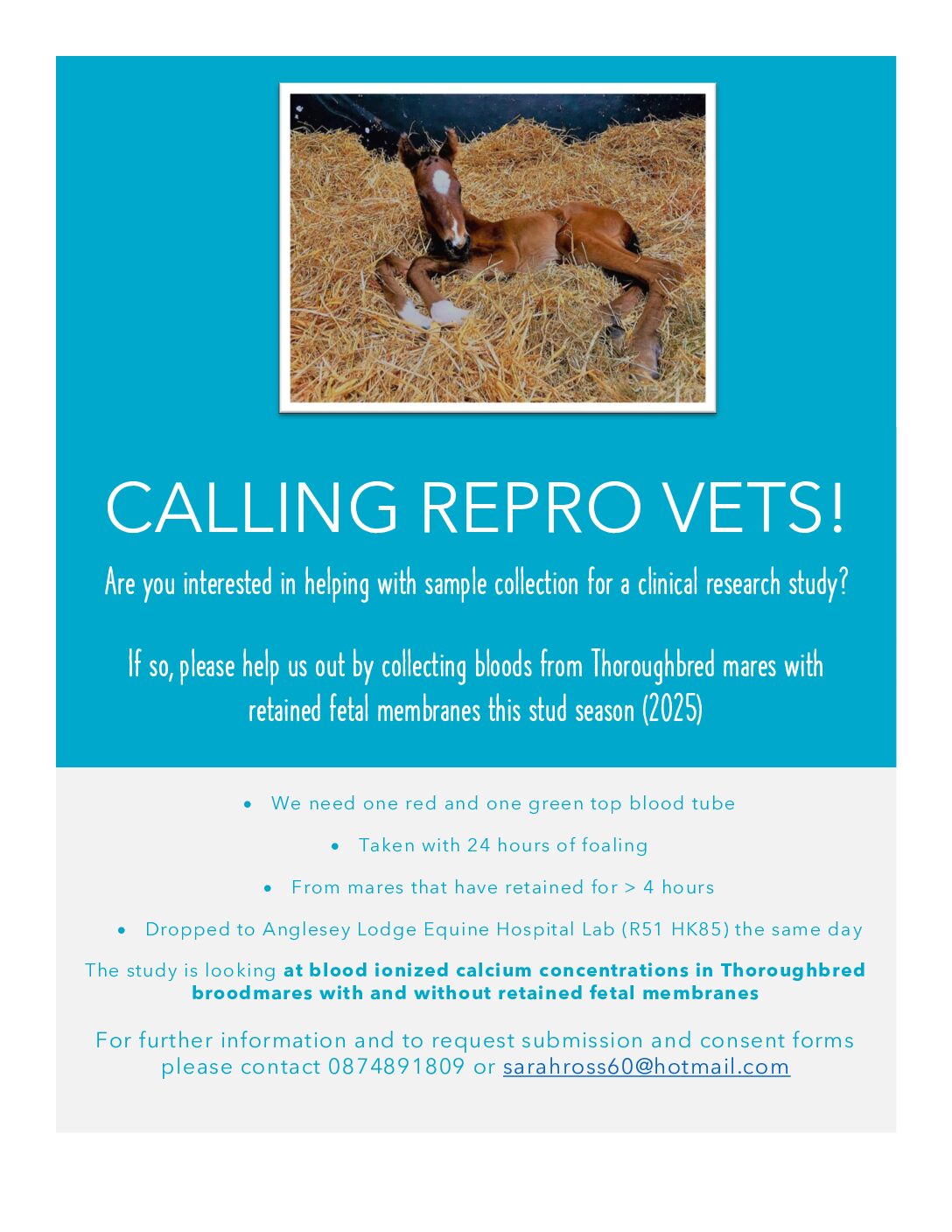
CALLING REPRO VETS!
Are you interested in helping with sample collection for a clinical research study? If so, please help us out by collecting bloods from Thoroughbred mares with retained fetal membranes this stud season (2025). The study is looking at blood ionized calcium concentrations in Thoroughbred broodmares with and without retained fetal membranes. See left and below for further details.
DAFM Notice: To All Equine vets involved in Artificial Insemination of equines in Ireland.
Semen is regularly used by our equine industry to allow access to a wider variety of stallions and increased genetic diversity which would otherwise be inaccessible due to logistics. To ensure this is done in a safe manner compliance with EU legislation is vital. For a comprehensive list of relevant legislation please see here.
Horse Sport Ireland (HSI): Changes to the Purchasing of Microchips
HSI is changing from issuing standard microchips to only issuing thermochips from 2025 onwards. For more information on thermochips see the information brochure below.
From June 2024 HSI will no longer provide refunds for the cost of implanted microchips to Veterinarians HSI accounts. This process will be discontinued in June 2024.
Veterinarians can now order microchips by emailing our new dedicated mailbox at microchips@horsesportireland.ie. Later this year new functionality will be added to our new E-Passport system to allow Vets to order microchips seamlessly online.
HSI Thank you for your understanding during this change.
All queries can be directed to the new mailbox at microchips@horsesportireland.ie
Calling All Repro Vets!
Are you interested in helping with sample collection for a clinical research study?
If so, you can help by collecting bloods from Thoroughbred mares with retained fetal membranes this coming stud season (2024).
Links to forms to be completed when making a submission:
IEVA Clinical Case Award 2023: Winner Announced
Kindly Sponsored by IMV Imaging | Euro 2000 Prize Fund
Following the success of the 2022 competition, the IEVA Clinical Cases Award returned for 2023. Four finalists were selected to present a 15 minute Equine Case Report on Friday 24th Nov at the Slieve Russell Hotel as part of the 2023 IEVA Conference, with the winner being selected by a jury of the keynote speakers from the conference.
Huge Congratulations to Milda Baltrimaite who was chosen as the winner of the 2023 IMV Imaging Bursary Prize and well done to the runners up Claudia Pérez Blanco, Julia Larrinaga Pérez, and Natalia Berka in what was a very competitive final.

IEVA CONFERENCE 2023
Delivers Largest Equine Veterinary CDP Event in Ireland!
All veterinary roads last week were leading to Co Cavan for IEVA Conference 2023, which commenced on Thursday 23rd November with an excellent- hands on and immersive wetlab day at the Cavan Equestrian Centre. This workshop dealt with the imaging of the equine head. In addition to the quality of the speakers, the latest in equine diagnostic imaging equipment were showcased and displayed by Molloy Veterinary and Celtic SMR. The successful day ended with a hotly contested quiz and supper at the Slieve Russell Hotel, home to IEVA23.
For the next two days, Friday 24th and Saturday 25th Nov, the IEVA Conference 2023 delivered an action packed and thought-provoking series of lectures, talks and presentations by leading experts in the field of equine veterinary as well as a number of case studies and abstract studies. A series of hands-on workshops, including the very popular one on bandaging took place over the two days also.

Wonder-Vet: The Amazing Adeventures of Aleen Cust
Beehive Books, in collaboration with Veritas, is excited to unveil a new children’s book that shares the inspiring story of Aleen Cust. A woman of extraordinary courage, Aleen pursued her dreams and passion despite numerous challenges, ultimately becoming the first female veterinarian in Ireland and Great Britain.
This heart-warming tale serves as an invitation for all girls and boys to follow their aspirations and embrace a compassionate connection with animals. As we approach the festive season, consider gifting this beautifully illustrated book, a perfect Christmas gift for children who appreciate delightful storytelling and captivating illustrations.

NordCAW seminar 2023 on Horse Welfare in equestrian sport
Equestrian sports engage many people, but faces several challenges, both in terms of protecting the welfare of horses and in terms of maintaining its social licence to operate. The NordCAW seminar will highlight those challenges; How the use of horses in equestrian sport and equine equipment poses a risk to the horses’ physical and mental well-being if not being well managed, but also the ethical considerations regarding equestrianism and if we are on the right track. We know a lot about horse welfare, but are we implementing what we know or how can we otherwise do better?

The Racehorse: A Veterinary Manual – New Edition
Piet Ramzan author of ‘The Racehorse: A Veterinary Manual’ ‘has been in touch to let us know that the new edition of ‘The Racehorse’ textbook is out now, with introductory discounts available.
If ordered through the publisher Routledge discounts of 20% for single copies (code AFL03) or 30% for more than one copy (code ADC23) are available at checkout. Postage worldwide is also free.
The new edition has a lot of fresh content & images & also expanded sections on sales radiography, injury prevention and rehab etc so hopefully everyone will find it to be a useful update.

VDS members undertaking Equine work…Important information:
Due to a recent spate of claims relating to equine Pre-Purchase Examinations (PPE), we would like to remind our members of some important features of your VDS Professional Indemnity Policy that impact cover when carrying out examinations on a horse and providing advice in connection with a sale, purchase or valuation.
Atypical Myopathy:
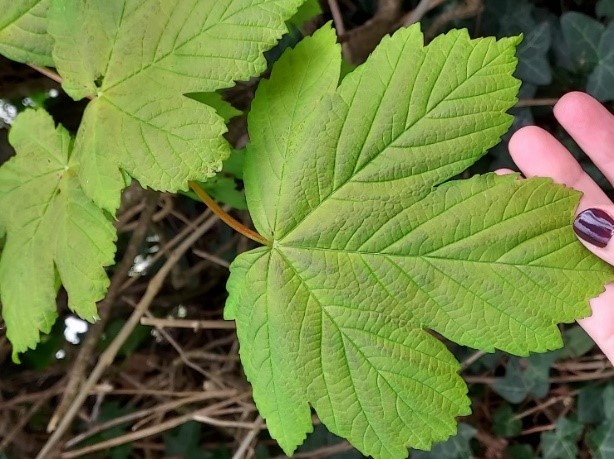
Atypical Myopathy (AM) is a seasonal condition which occurs in horses at pasture. Ingestion of plant material containing the toxin hypoglycin A (HGA) results in non-exertional rhabdomyolysis. In Europe, seeds and seedlings from Acer pseudoplatanus (Sycamore) are the primary source of HGA. It is therefore no surprise that disease incidence peaks in the Autumn and Spring, resulting from ingestion of seeds and seedlings. Relatively more cases occur in Autumn and are attributed to ingestion of samaras. Samaras are winged fruits containing Acer seeds. During years when there are a high number of cases in Autumn, cases tend to be seen the following spring as seeds germinate and progress into seedlings.
International Collating Centre: Summary Report:
1 Jan to 31 Mar 2023
This article provides a summary of international disease outbreaks during the first quarter of 2023. It should also be noted that additional summary reports were kindly received that included further information on disease occurrence for that country, but which had not been reported in previous real-time ICC reports. This additional information is identified by *or # in the tables and text, where relevant, throughout this report. National and international equine disease outbreaks are reported on a daily basis by the ICC, through email alerts. Please contact equinesurveillance@gmail.com to receive these. There is also a website available that provides an interactive interface of these infectious disease reports and can be used to view current outbreak reports: https://equinesurveillance.org/iccview/

The Hold Box: Diaries of a Vet #1: Marcus Swail
Spike is back in his Hold Box but this time he is hearing from some of the best vets in the business. First up is Irish Team Vet and IEVA President Marcus Swail, as he talks through how his veterinary journey began, what it takes to be a good vet and the future of horse sport.

IHRB Rule Change – Flu Vaccinations
The IHRB issued a communication to licensed trainers on 17/2/23 regarding a rule change relating to flu vaccinations. Details of the communication are as follows:
Please note the rule change below effective from March 1. All entries on this date will fall under the rule change and will require you to have vaccinations in order and approved on the Weatherby’s ePassport app by 5pm the day of entries.
The IHRB must be satisfied that the certification of vaccination is in compliance with this Rule 91 before a Horse may enter Racecourse Property or run in a Race and shall be entitled to request evidence of same. The vaccination certification must have been approved by the IHRB by 5pm on the day of entry for a race or in the case of an early closing race on the day of final forfeit or the supplementary entry stage.
NB. Point To Point Vaccination Regulation: This Rule change relates to horses entered to run on the Racecourse. Flu-vaccinations for horses running in Point to Points must be in approved on the Weatherby’s ePassport App at the time specified for the closing of entries.
The Donkey Sanctuary Ireland: A Practical Reference Guide
The Donkey Sanctuary Ireland have put together a practical health and welfare reference guide to help vets, nurses, and attending welfare / agricultural colleagues to manage donkeys and their care effectively. The guide homes in on the areas that are differential to other equines; in that respect it is useful for non-donkey specialists at all levels. The Donkey Academy is also a fantastic resource offering free training resources and is being added to all the time.
Outgoing IEVA President Rosalinda Devereux interviewed on the Vetspace Ireland podcast
The Vet Space Ireland podcast, created and hosted by Michelle Maguire and Hazell Mullins discussed positivity, learning and current affairs in the veterinary world. Listen to Michelle and Hazell’s interview with the IEVA’s Outgoing President Rosalinda Devereux.
Anthelmintic resistance in equine nematodes: Current status and emerging trends
Anthelmintic resistance is reported in equine nematodes with increasing frequency in recent years, and no new anthelmintic classes have been introduced during the past 40 years. This manuscript reviews published literature describing anthelmintic resistance in cyathostomins, Parascaris spp., and Oxyuris equi with special emphasis on larvicidal efficacy against encysted cyathostomin larvae and strongylid egg reappearance periods (ERP).

Parasitism: IEC Update – 24/10/22
The Irish Equine Centre have highlighted a marked increase in parasitism, particularly large and small Strongyles, especially in the weanling age group, as a result of weather conditions in Summer and Autumn.
Sycamore Poisoning: IEC Update – 10/10/22
The Irish Equine Centre has shared the following alert regarding sycamore poisoning:
There seems to be a significant seed crop on the sycamore trees this year and as far as we are aware there have been two cases recorded over the past few days. So if people have had cases before they need to be particularly careful and where the sycamore trees have a significant seed crop people need to be careful about exposure over the next few weeks. Wet and windy weather will bring down the seeds quicker. For further information please contact the Irish Equine Centre at: iec@irishequinecentre.ie
Equine Influenza (EI) Vaccine Shortages: IHRB Update
The IHRB would like to clarify, following monitoring and careful consideration over the last few weeks of the evolving situation in relation to this, that there will be no change to the EI vaccination schedules or planned changes due to take place in 2023 in order for horses to remain compliant with the Rules of Racing In Ireland.

Equine Influenze Vaccine Schedule – FEI Temporary Changes – 09/09/22
At its meeting on 8 September, the FEI Board approved a temporary exemption to the FEI Veterinary Regulations in response to the shortage of vaccines in Europe created by supply issues facing Boehringer Ingelheim, a key producer of equine influenza vaccinations.
In the Emergency Board resolution, the FEI decided to extend the booster intervals from six to 12 months in combination with increased disease surveillance and a higher level of general biosecurity.

Federation of European Equine Veterinary Associations (FEEVA) Board meeting in Brussels: Updated 7 March 2022
Last week, the FEEVA board had a physical meeting in Brussels after a long COVID break. One of the important topics that were discussed was the horrible war activities in Ukraine. The board decided to engage in horse health and welfare in the area, focusing not only on the horses in Ukraine but also on the horses transported across the borders. The board will keep FEEVA members informed of the actions and progress. To provide practical support, FVE, WVA, and FECAVA have developed a web portal to coordinate aid by veterinarians to help Ukrainian veterinarians, their families, and animals.
The portal puts together information on:
- Pet travel rules and support to refugees fleeing with their animals;
- Places to stay for Ukrainian veterinarians and their animals by country;
- Diploma recognition of Ukrainian veterinarians;
- Support initiatives for Ukrainian veterinary students;
- Other veterinary support or money donations initiatives.
Please feel free to share this portal widely: http://vetsforukraine.com
Rules of Racing – New Equine Influenza Vaccination Intervals
The IHRB have sent to correspondence to all licensed trainers and point to point handlers regarding changes to vaccination intervals under Rule 91 of the Rules of Racing and Irish National Hunt Steeplechase Rules. The IHRB are extending this communication to Veterinary Surgeons as they recognize that you are at the forefront of appropriate vaccination administration.
As you may well be aware, Rule 91 which concerns the time intervals for Equine Influenza vaccination came into effect in Ireland and Great Britain on 1st January 2022. This change was implemented in a bid to minimize the recognized waning in immunity between vaccinations.

Invitation to participate in PPID Study
Hypertrichosis is one of the most common clinical signs of pituitary pars intermedia dysfunction (PPID), also known as Equine Cushing’s disease, a condition that affects one in five horses over the age of 15. Researchers at University College Dublin in collaboration with researchers at the University of Kentucky’s Gluck Equine Research Centre are conducting a study to investigate the effects of blue light treatment in PPID horses over a 12-month period.
The team are recruiting interest from owners of PPID horses/ponies that meet a specific set of criteria to be part of this important study. If you own or manage a horse or pony diagnosed with PPID, and which displays hypertrichosis, please complete the following questionnaire. Both medicated (e.g. Pergolide) and unmedicated horses/ponies are suitable. Your participation in this study will help us to better understand PPID as a disorder of older horses, and in particular its impact on coat and coat condition.


Irish Equine Veterinary Association Meet with French Galop:
A delegation from the IEVA travelled to Paris this past weekend to meet with the French veterinary and epidemiology group to discuss the RESPE equine disease alert system. Photographed from left to right – Coralie Lupo (RESPE), Loic Malivet (RESPE), Rosalinda Devereaux (IEVA), Guillaume Fortier (RESPE – on screen – joined by zoom), Siobhan McAuliffe (IEVA) and Ann Courouce (RESPE).
This trip was kindly sponsored by Duggans Veterinary Supplies.

UCD Study in to Equine Metabolic Syndrome in Connemara Ponies: Free Insulin Tests
As part of a study into Equine Metabolic Syndrome in Connemara Ponies, researchers in UCD are able to offer insulin tests to up to 500 eligible ponies. The tests will be either basal insulin or an oral sugar test, depending on the laminitis history and phenotype of each individual pony. All tests will be conducted free of charge by a UCD vet. The eligibility criteria are: registered Connemara pony, located in Ireland, between 5 and 10 years old with no history of colic or gastric ulcers requiring treatment. If you have clients who may be interested in availing of this test for their pony(ies), they can be directed to this form: https://forms.gle/kRH5N1Vawzwxs2VFA to register an interest. Veterinary queries regarding the study can be sent to vivienne.duggan@ucd.ie or ahmed.alansari@ucdconnect.ie
European Network for Optimization of Veterinary Antimicrobial Treatment: Survey
ENOVAT (European Network for Optimization of Veterinary Antimicrobial Treatment) has launched a survey on guidelines for the responsible use of antibiotics in veterinary practice. Your feedback is very valuable and ENOVAT hope to get as many responses as possible. Please find below the link to the survey. Many thanks for your collaboration.
Panorama Investigative programme:
The members of the IEVA were gravely concerned by the images shown in the recent Panorama investigative programme into slaughter of horses at an abattoir in the United Kingdom.
The working practices at this abattoir were appalling and should be formally investigated by the relevant authorities in regard to animal welfare and food standards. Michael Sheahan, Director of Veterinary Operations, DAFM confirmed that these practices do not occur in Irish abattoirs. While it is legal to transport horses to the UK for slaughter for human consumption, it is paramount that they are fit to travel and are presented with the correct passports ensuring food safety for consumers.
It is desirable that all horses lead a full life free from injury and stress, but inevitably there are a few that are unsuitable for re-homing once their career is finished. Euthanasia carried out humanely is a valid option. Some horses are excluded from the food chain due to the administration of certain medicines. Furthermore horse owners who wish that their horses never end up in abattoirs can proactively sign their passports out of the food chain.

FVE / FEEVA joint position on ‘Best practice Protocol for Euthanasia of horses’:
When horses need to be euthanised there are several matters to consider. A method of euthanasia is only acceptable when its effect is guaranteed. It must cause loss of consciousness before cardiac or respiratory arrest. As well, human safety during euthanasia should be addressed because of the potential hazards and unpredictability of the procedure, and proper disposal of the carcass after euthanasia should be arranged and considered before selecting the method of euthanasia. Based on those matters, FVE and FEEVA built a joint technical document for the “Best practice Protocol for Euthanasia of horses”. The joint position was adopted by the FVE and the UEVP on 11 June 2021.
Contagious Equine Metritis (CEM) – Update:
DEFRA in the UK have announced that on the 9th of June 2021 a stallion at an equine premise in West Devon tested positive for Contagious Equine Metritis (CEM). Three mares which had close contact with the infected horse at the same premises are currently under investigation. The source of infection is believed to be contact with a stable mate abroad, before arriving in the UK.
Further information is available from the International Collating Centre (ICC). The affected horse a three year old Arab stallion, was imported to the UK in October 2020 from Europe and has had no clinical signs of infection. The diagnosis was made following targeted investigative testing after it came to light that another linked stallion on a premises in the Netherlands had tested positive for CEM on routine testing. The initial positive diagnosis was made by Axiom Veterinary Laboratories by PCR on penile swabs and this was confirmed on further samples tested at the Animal and Plant Health Agency (APHA) reference laboratory at Penrith by PCR on 8 June 2021; bacterial culture is pending at both laboratories.
The National Disease Control Centre of DAFM has indicated that there are no forward or backward tracing links to Ireland at this stage. DAFM will continue to monitor the situation closely. Compliance with the Code of Practice in relation to CEM prevention is particularly important at this time.
The ICC also reported two outbreaks of CEM in Icelandic horses in Germany this month, both confirmed by Labor Dr Bose GmbH.
Irish Veterinary Benevolent Fund Helpline
As of June 1st 2021, a dedicated free phone number – 1800 145145 – is available for vets and vet nurses to ring 24/7 if they are mentally or emotionally distressed and need immediate help.
This number will be answered by a call centre in the UK on behalf of Vetlife and then diverted to volunteer vets and vet nurses who are trained to help their colleagues.
Vetlife is also backed up by a health support service called March on Stress that will provide ongoing services as required. This service is being sponsored and paid for by the Irish Veterinary Benevolent Fund and the Veterinary Council of Ireland.
The IEVA Welcomes New Legislation To Encourage Proper Use Of Worm Treatments And Prevention In Horses
The concerns about equine anthelmintics (wormers) not being available by over-the-counter sales from January 2022 in line with the new EU Regulations was highlighted in last weeks Irish Field in an article by Mark Costello.
Equine Herpesvirus Neurological Disease: Outbreak Update – 6th April 2021
Ann Cullinane MVB PhD
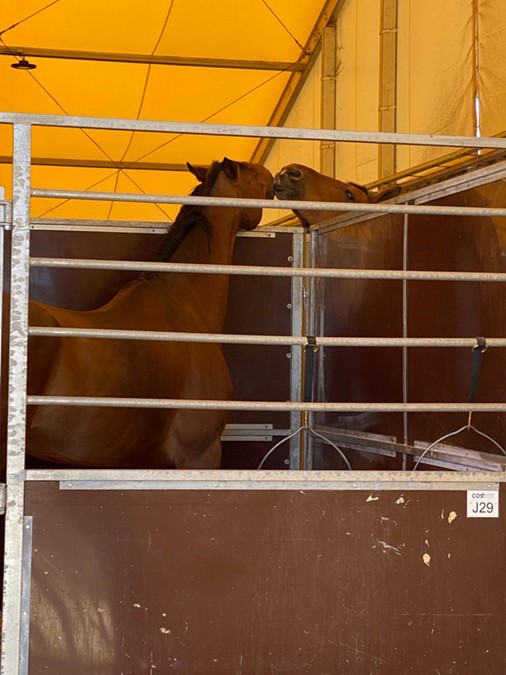
Equine herpesviruses are endemic in horse populations worldwide and equine herpesvirus 1 (EHV1) respiratory disease and abortion are diagnosed each year in Ireland. EHV1 neurological disease is less common but when it occurs, often results in fatalities. Vaccination is a useful aid in the control of abortion and respiratory disease but no vaccine has an efficacy claim against the neurological form of the disease.
On the 20th of February the FEI were notified of a suspected outbreak of EHV1 neurological disease in showjumpers at the CES Valencia Spring Tour in Spain and reacted promptly to cancel the rest of the event.
Department of Agriculture, Food & the Marine – Webinar Series
EU Regulations on Veterinary Medicinal Products, 2019/6, and the manufacture, placing on the market and use of Medicated Feed, 2019/4, come into effect in January 2022. Both Regulations will bring significant changes for veterinary practitioners. DAFM hosted two free webinars in March and April on the regulations:
Wednesday 31st March:
The Future of Prescribing – EU Regulations and What They Mean for You
Wednesday 7th April:
Veterinary Medicines Landscape post-2022 – EU Regulations and What They Mean for You
Webinar presentations now available to download on the DAFM website.